Paradise Lost
2023
Dimensions – 7.5 x 7.5 x 8.5cm
Materials – Honey bee wax, pesticide residues in the honey bee wax (Difenoconazole, Carbaryl, Indoxacarb, Chlorpyrifos, Cyprodinil, Chlorantraniliprole, Trifloxystrobin, Pyraclostrobin, Fluxapyroxad, Metolachlor, Cyantraniliprole, Atrazine, Tebuconazole, Penthiopyrad, Piperonyl butoxide, Thiamethoxam, Methoxyfenozide, Pyrimethanil, Mandipropamid, Picoxystrobin, Azoxystrobin, Tebuthiuron, Propazine, Fluopyram), tinned copper wire, tissue paper, dry ground artists’ pigments, acrylic paints, acrylic varnish.
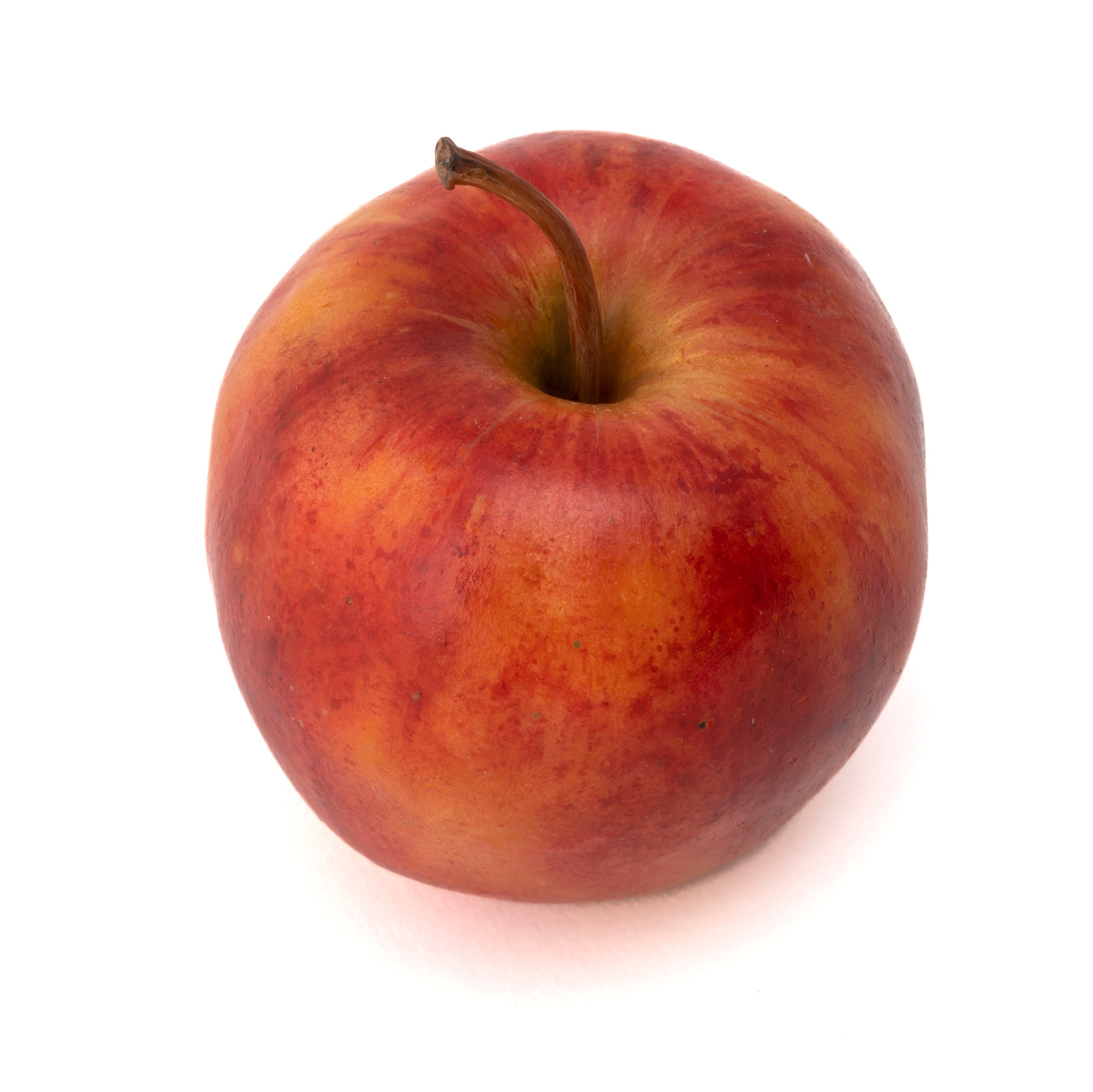
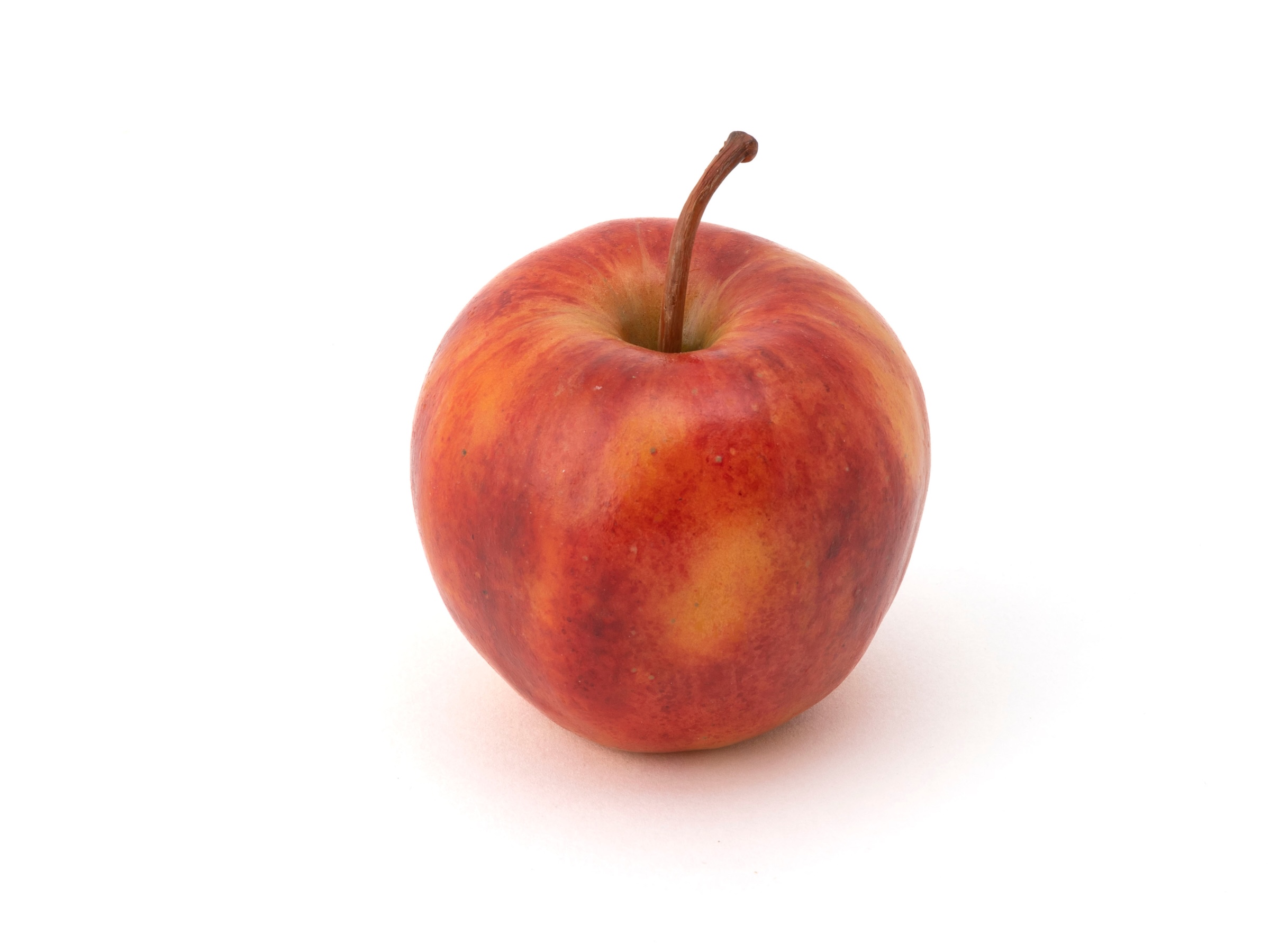
Paradise Lost takes the form of a single Gala apple sculpted in honey bee wax using traditional techniques associated with scientific display and museum collections. Visually, the work appears entirely real. Its scale, surface, colour, and weight closely replicate the fruit it references, encouraging an immediate sense of familiarity and trust.
The sculpture was created using wax produced by honey bees during apple pollination in a New York orchard and supplied through collaboration with Scott McArt. Analysis identified multiple pesticide residues within the wax itself, which are listed as part of the material of the work.
Drawing on John Milton’s Paradise Lost and the symbolism of the forbidden fruit, the work considers knowledge, consequence, and humanity’s increasingly fragile relationship with cultivated landscapes and food systems. What first appears familiar and desirable gradually becomes more uncertain. Rather than illustrating scientific research directly, the work allows ecological information to exist materially within the object itself, held inside something seemingly natural, abundant, and benign.